We develop modular systems for the passive detection, identification, and tracking of unmanned aerial systems (UAS) designed to protect critical infrastructure and strategic assets. Our solutions combine optical sensors, infrared cameras, and AI-powered image processing to provide reliable real-time detection of modern aerial threats. Thanks to their modular architecture, the solutions can be deployed independently or integrated into existing C-UAS systems.
Modular AI Drone Detection and Tracking System
Key Features
Passive Optical Detection Without Active Emissions
The system enables the detection of unmanned aerial vehicles without relying on intercepted radio-frequency communications. This allows it to detect autonomous or fiber-optic-controlled FPV drones that may not emit a detectable RF signal.
AI Detection, Identification and Object Tracking
Advanced AI-powered image processing enables automatic detection, identification and tracking of objects in real time. The system distinguishes UAVs from other airborne objects and supports simultaneous multi-target tracking.
Continuous Tracking Against Complex Backgrounds
The system can maintain target tracking even as the target transitions from open sky to a complex background, such as trees, buildings, or other objects.
Automatic Calibration and Spatial Orientation
Automatic calibration determines the position, orientation, and monitored sector of each sensor unit without complex manual setup. This ensures reliable operation and enables accurate target direction assessment shortly after deployment.
Flexible Deployment
The modular architecture enables deployment as a standalone detection unit or as part of a distributed multi-sensor network. System configuration can be adapted to different operational requirements, protected areas, and future expansion.
Data for Situational Awareness and C-UAS Integration
Information on detected and tracked targets can be used for real-time situational awareness and as input for downstream C-UAS, C2, EW, and other security systems.
Modular System Architecture
Modular System Architecture
The Elya system is designed as a modular platform that can be configured to meet the requirements of a specific application. Individual sensors, processing modules and communication interfaces can be combined according to the required level of protection – from a standalone detection unit to multi-node systems integrated with higher-level C-UAS platforms.
Thanks to its open architecture, the system can be easily expanded with additional sensors, operator workstations or external command and control systems.
Key Architecture Components
- The system can be configured according to the size of the protected area and operational requirements.
- Electro-optical and infrared sensors provide passive airspace monitoring.
- Automatic detection, identification and tracking of objects are performed in real time.
- The system can be integrated with C-UAS, C2 and other security or surveillance platforms.
Configuration Options
Depending on the characteristics of the protected area and the intended use, the system can be deployed as a standalone sensor unit, a network of interconnected sensors, or a vehicle-mounted mobile solution.
Use Case 1: Standalone Portable Unit
A portable sensor unit enables rapid deployment and autonomous drone detection and tracking within a selected sector. It is designed primarily for temporary protection of critical assets, checkpoints and forward positions.
Use Case 2: Networked Sensor Units
Multiple interconnected sensor units provide continuous coverage of a protected area. Sensor networking enables more accurate target localisation and continuous tracking across individual sectors.
Use Case 3: Mobile Vehicle Protection
Vehicle-mounted sensors provide continuous 360° monitoring of the surrounding area and early warning of approaching drones, including while the vehicle is moving. The solution is designed to protect individual vehicles and convoys.
Typical Deployment Scenarios
The Elya solution for drone detection, identification and tracking addresses the security, operational and strategic risks associated with unmanned aerial vehicles. It is suitable for a wide range of civil, industrial and defense applications.
Critical Infrastructure
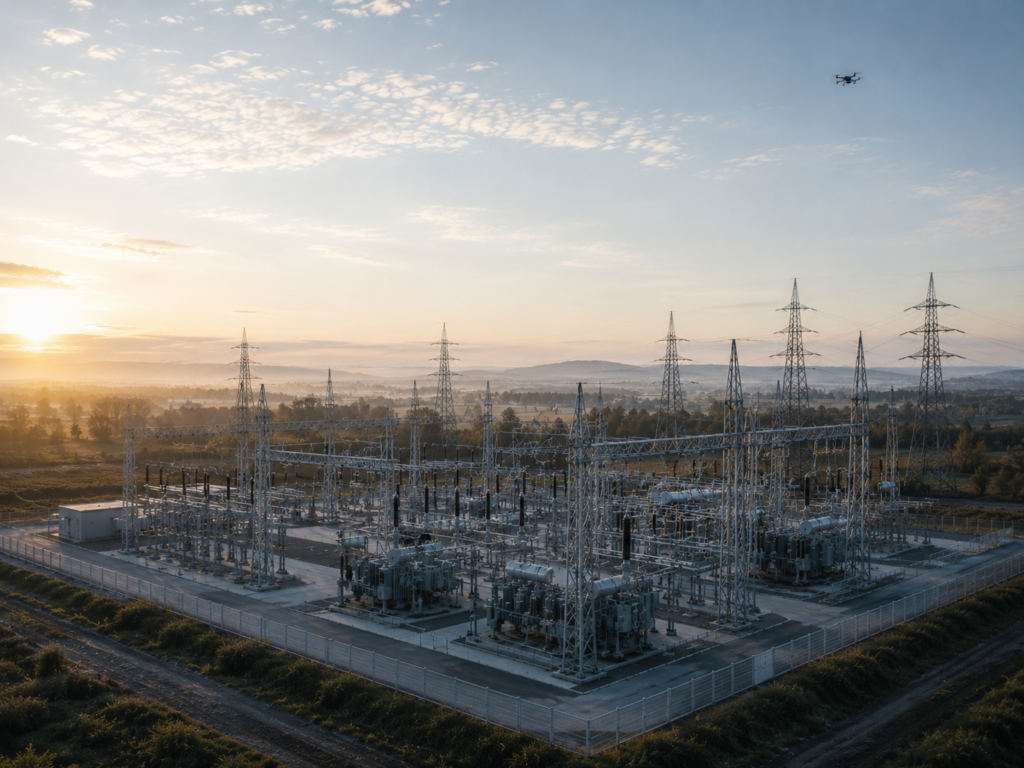
Protection of power plants, substations, energy facilities, water management infrastructure and other critical assets requiring continuous airspace monitoring.
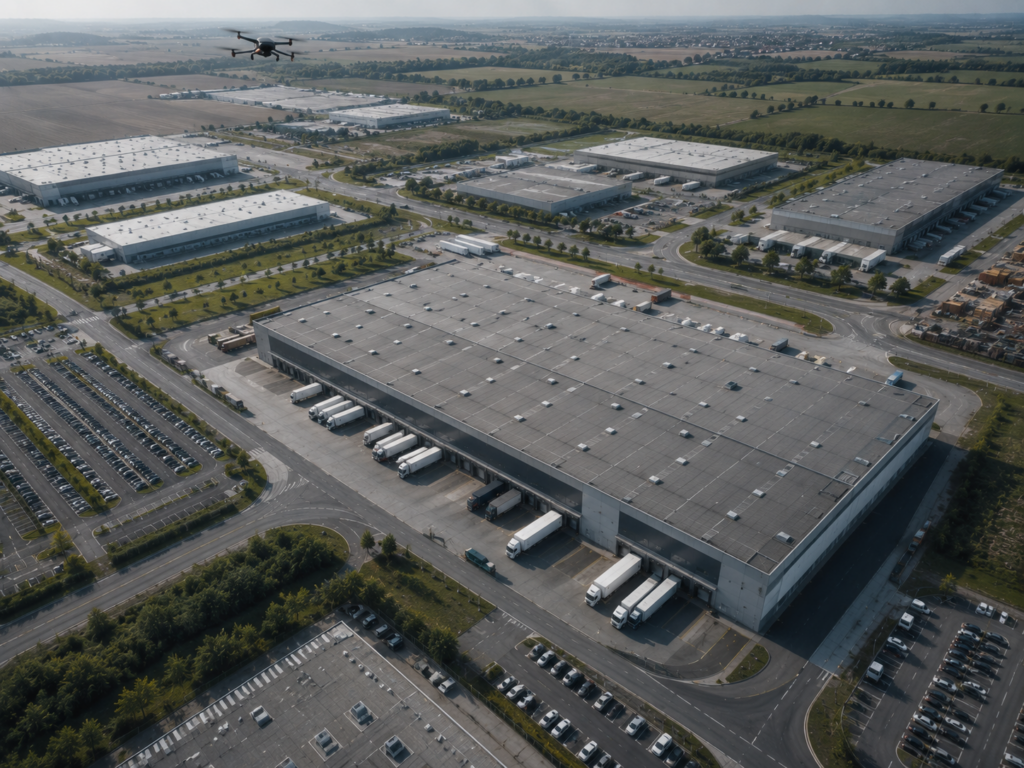
Industrial and Logistics Facilities
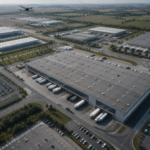
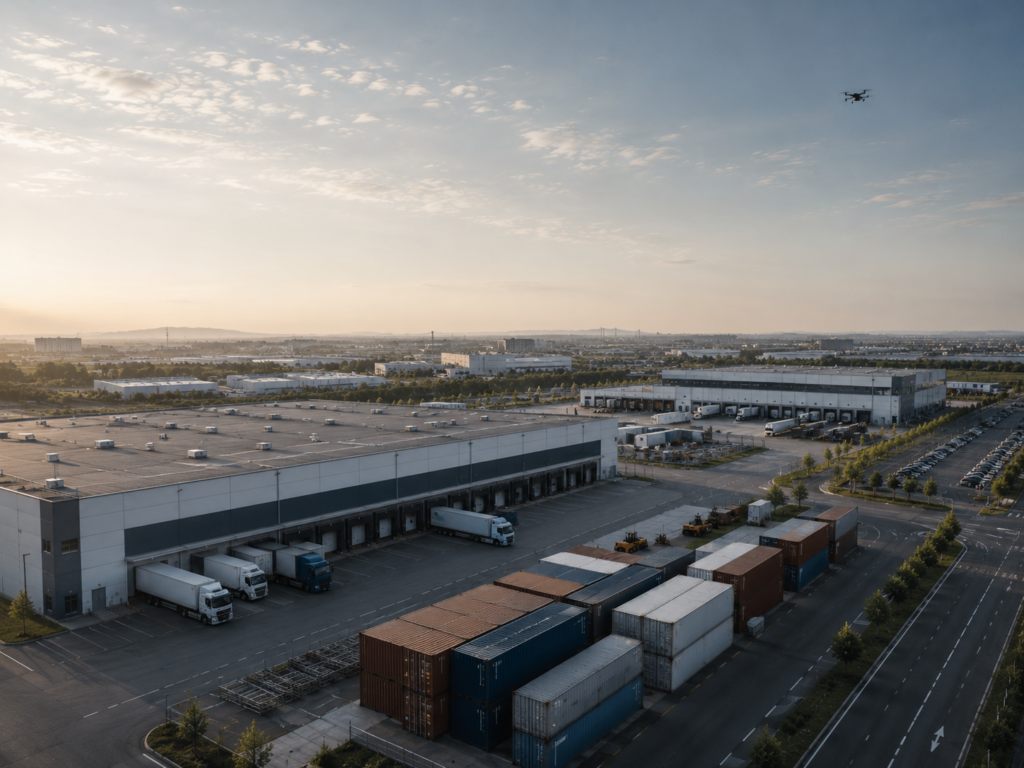
Monitoring of manufacturing plants, logistics centres, warehouses and industrial sites for early detection of unauthorised drone activity.
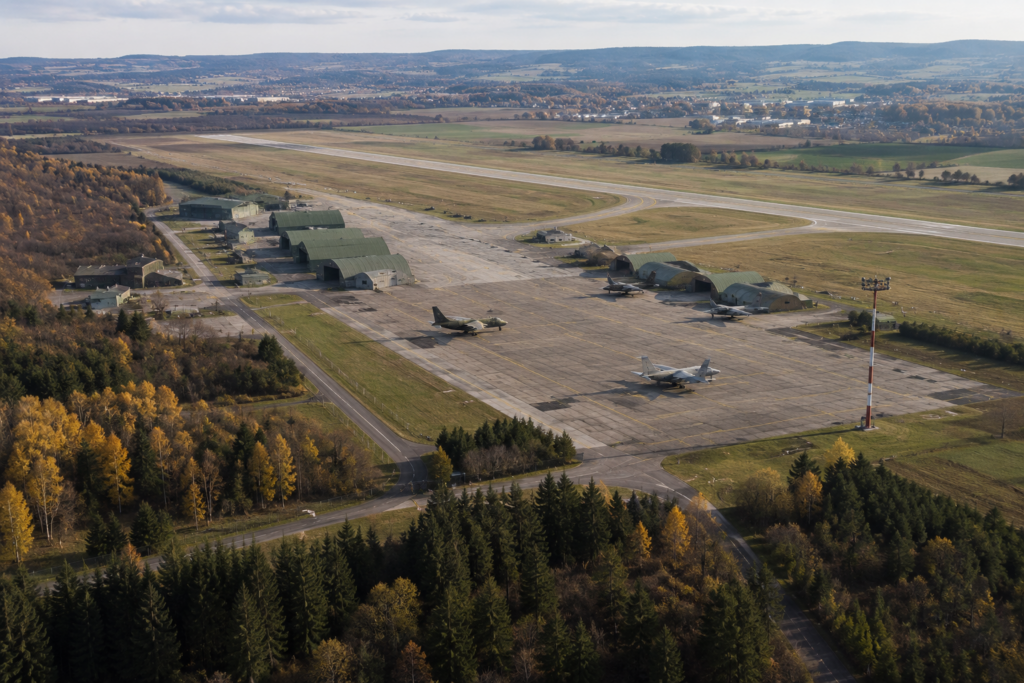
Airports and Aviation Infrastructure
Drone detection and tracking around airports, runways and other aviation facilities where maintaining airspace safety is essential.
Military Facilities
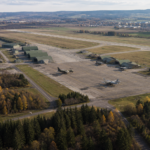
Protection of military bases, training areas and other strategic sites requiring a high level of situational awareness.
Temporary Site Protection
Rapid deployment for protecting temporary security zones, strategic facilities, public events, crisis locations and other sites requiring short-term enhancement of airspace security.